
TLDR
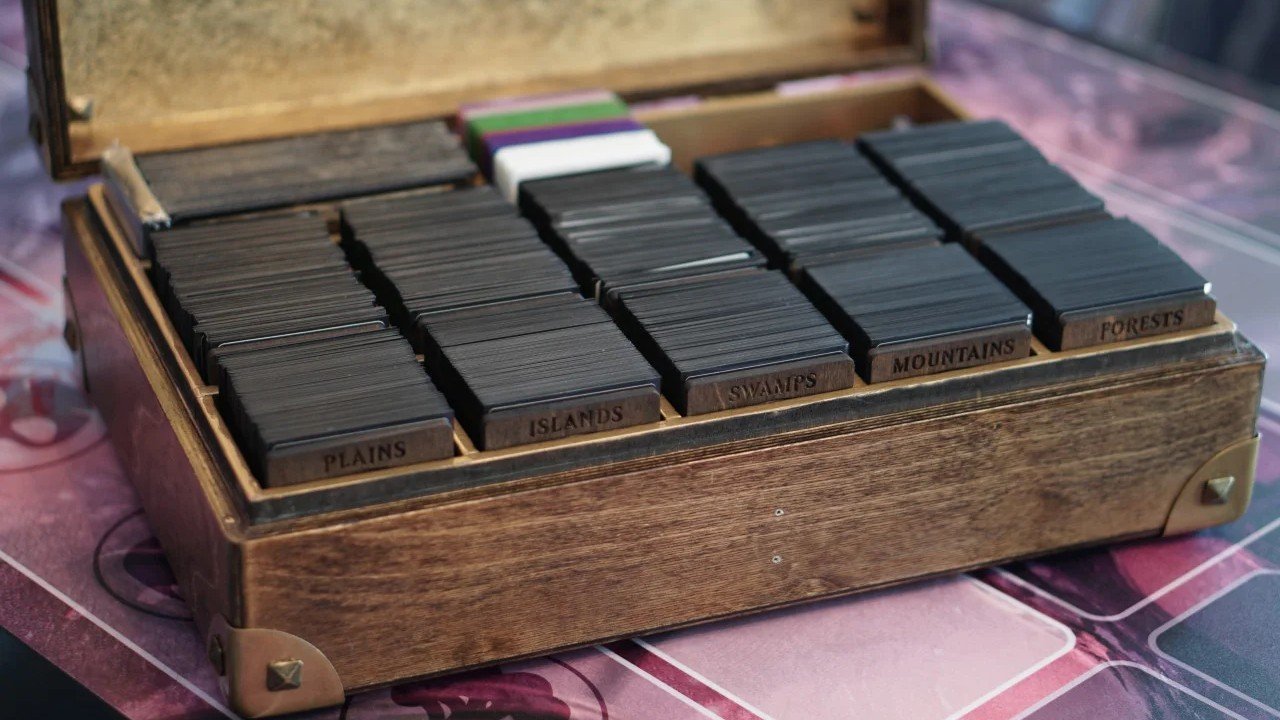
- A cube is a curated stack of Magic cards you draft again and again, like a reusable “best Limited format” in a box.
- You shuffle, make “packs,” draft like normal, then build 40-card decks with basic lands.
- Most cubes are 360–720 cards. 360 is consistent, 540 is variety, 720 is chaos (the fun kind).
- People love cube because it’s replayable, customizable, and lets you draft the kinds of cards you’d never open in normal packs without selling a kidney.
- If you don’t want to spend months curating, sleeving, and arguing with yourself, buying a ready-to-draft cube is… frankly, very sane.
Cube is what happens when a Magic player says: “Draft is my favorite format… but I wish it came in board game form.” And then they actually do something about it.
If you’re here for MTG cube basics, you’re in the right place. Let’s turn “cube” from mysterious hobby jargon into something you could run on a random Friday night without needing a seminar and a whiteboard.
What Is a Cube in MTG?
A cube is a designed pool of cards that you use to draft instead of booster packs. You can think of it as a custom Limited environment that never rotates unless you want it to.
Key idea: the packs aren’t real. You shuffle the cube, make piles that function like packs, and draft them just like a normal Booster Draft.
Most cubes are:
- Singleton (one copy of each card), because duplicates make drafts swingier in a weird “someone got all the pieces” way
- Balanced-ish across colors and archetypes (or intentionally unbalanced, if your group enjoys emotional damage)
- Built for repeat play, so one night of drafting doesn’t “use it up”
Also important: there are no hard rules. Cube is a format held together by vibes, sleeves, and the shared desire to draft something awesome.
How a Cube Draft Works (Without Overcomplicating It)
A typical cube draft looks like a normal draft, except the packs are made from the cube.
Here’s the standard flow:
- Shuffle the cube.
- Make packs (usually 15 cards each).
- Draft (pick one, pass the pack, repeat).
- Build a deck (usually 40 cards) using what you drafted plus basic lands.
- Play matches, laugh at your friend’s greedy mana base, reshuffle, do it again next week.
Most groups keep basic lands outside the cube (usually sleeved to match), because drafting lands is either:
- Fun and intentional in a specific cube design, or
- A mistake you only make once
“Do we need exactly 8 people?”
No. Eight is the classic “full pod” experience, but cube is flexible.
- 6–8 players: Draft normally, it’s great.
- 4 players: Still very doable with draft variants or adjusting pack size.
- 2 players: Yes, cube can still work (and doesn’t require bribing six adults to show up on time).
If your group is smaller, cube doesn’t die. It just gets weirder in the fun “we invented our own little format” way.
Cube Size 101: 360 vs 540 vs 720
Cube size matters because it controls variety and consistency.
- Smaller cubes: you see more of the environment each draft, so archetypes show up reliably.
- Bigger cubes: more variety, fewer repeats, more “oh wow I haven’t seen that card in months.”
Here’s a simple tradeoff table:
| Cube Size | What it supports | What it feels like | The tradeoff |
|---|---|---|---|
| 360 | 8 players, classic 3×15 draft | Very consistent, archetypes show up | Can feel “solved” faster |
| 450 | 8 players, more wiggle room | More variety, still consistent | Slightly more variance |
| 540 | 8 players with real variety | Big “highlight reel” energy | Some drafts won’t show your favorite build-around |
| 720 | Two full 8-player drafts worth | Maximum variety | Harder to balance, higher variance |
If you want a rule of thumb:
- If you draft with 8 often, 360 is the cleanest starting point.
- If you want variety and you draft regularly with the same crew, 450–540 tends to feel better long-term.
- If you want to run multiple drafts back-to-back without repeats (or you just like chaos), 720 exists.
Why People Get Into Cube (And Why It’s Addictive)
Cube hits a very specific Magic sweet spot.
1) You get the best part of Limited, on repeat
Draft is great because the games feel different every time, and you earn your wins with deckbuilding choices.
Cube keeps that, but removes the “we need more product” part. Your environment is reusable.
2) You can draft the cards you actually want to draft
Retail sets are designed for a lot of things: Standard, Commander, limited balance, story, marketing, and occasionally your personal enjoyment.
Cube is allowed to be selfish.
Want a powered environment? Do it.
Want “only weird old cards that make people read”? Also valid.
Want a cube that’s basically “Commander decks crash into each other in Draft”? People do that too.
3) You control the experience
In a normal draft, you adapt to whatever the set is doing.
In cube, you can build an environment that supports:
- Real aggro decks that actually close games
- Midrange piles that aren’t just “good cards, good luck”
- Combo decks that appear often enough to be draftable
- Fixing that makes 3+ colors possible without feeling like a scam
4) It’s a “hobby inside the hobby”
Some people play cube.
Some people maintain cube.
Tweaking lists, swapping archetypes, adjusting power level, adding new cards, cutting sacred cows. It’s like gardening, except your plants are cardboard and your reward is watching someone first-pick a card you added last week.
The Biggest Myth: “Cube Is Only for People Who Own Everything”
This is the lie that keeps cube feeling “exclusive” when it really doesn’t have to be.
Yes, some cubes are made of expensive cards. And yes, those are fun.
But cube is also one of the easiest formats to make accessible, because the goal is a great draft experience, not a museum exhibit.
That’s why things like ready-made cubes exist. If your goal is:
- “I want cube night to happen”
- “I want it to feel good in sleeves”
- “I don’t want to spend months building and sourcing”
…then buying a cube you can draft immediately is a perfectly normal adult decision.
And if you’re looking for the “skip the scavenger hunt” approach, that’s basically the whole point of Hundred Dollar Cube: a draftable cube stack you can sleeve up and play.
Your First Cube Night Checklist (So It Doesn’t Turn Into a Chaos Ritual)
You don’t need much, but you do need some things:
- Sleeves (enough for the cube and basic lands, ideally all matching)
- Basic lands (a pile of each color, kept separate)
- Tokens/dice (people will forget, every time, forever)
- A reasonable table setup (drafting needs space; so does shuffling)
- A “reset plan” (how you’ll sort and return the cube after)
Pro tip: Decide ahead of time whether you’re sorting by color, type, or nothing at all. Everyone has a strong opinion after the draft. Nobody has one before. Use that.
Common Beginner Mistakes (That Everyone Makes Once)
- Not drafting fixing highly enough. Cube decks often want better mana than retail Limited.
- Building 60 cards out of habit. Cube is still Limited. Your deck does not need to be a novel.
- Forcing an archetype because you saw one card. Sometimes the support just isn’t in this draft pool.
- Treating every card like it’s a bomb. Cube has a higher density of powerful cards, so your “baseline playable” level rises too.
- Not communicating expectations. Some cubes are powered and fast. Some are grindy. Some are “every card is a trap.” It helps to know what you’re signing up for.
FAQs
How many cards do you need for a cube?
Most cubes start at 360 cards (enough for 8 players drafting 3 packs of 15). Bigger cubes like 540 and 720 add variety and replayability.
Can you cube draft with 4 players?
Yes. You can adjust pack size, draft more packs, or use draft variants built for smaller groups. Four-player cube nights are extremely real, and often more consistent to schedule.
How long does a cube draft take?
A typical night is:
- Draft: ~30–45 minutes
- Deckbuilding: ~20–30 minutes
- Matches: depends on your format, but plan for a couple hours total if you want a relaxed pace
Do you need expensive cards for cube?
No. Cube is about the environment, not the price tag. Plenty of cubes are built with budget constraints, proxies, themes, or custom restrictions.
What’s the difference between a “Vintage cube” and other cubes?
Usually “Vintage cube” implies a very high power environment that includes historically broken stuff (or at least imitates that style). Other cubes might be “unpowered,” themed, budget-limited, or built around specific archetypes.
2 thoughts on “MTG Cube Basics: What a Cube Is, How It Works, and Why People Get Into It”