What Is a Peasant Cube? Commons, Uncommons, and Why It Works
A Peasant Cube combines commons with selected uncommons to create a focused, owner-defined Limited environment. Here is how to set its rules and build it well.

A Peasant Cube combines commons with selected uncommons to create a focused, owner-defined Limited environment. Here is how to set its rules and build it well.
Define what old border means for your Cube, set a reprint and power-level policy, and build a nostalgic environment that still drafts cleanly.
Start a balanced 540-card Cube with roughly 8–12 true creature sweepers, then adjust for draft visibility, power level, aggro performance, and flexibility.
Aggro needs more than cheap creatures. Use practical one-drop benchmarks, then tune reach, mana, interaction, and curve pressure so aggressive decks can compete.
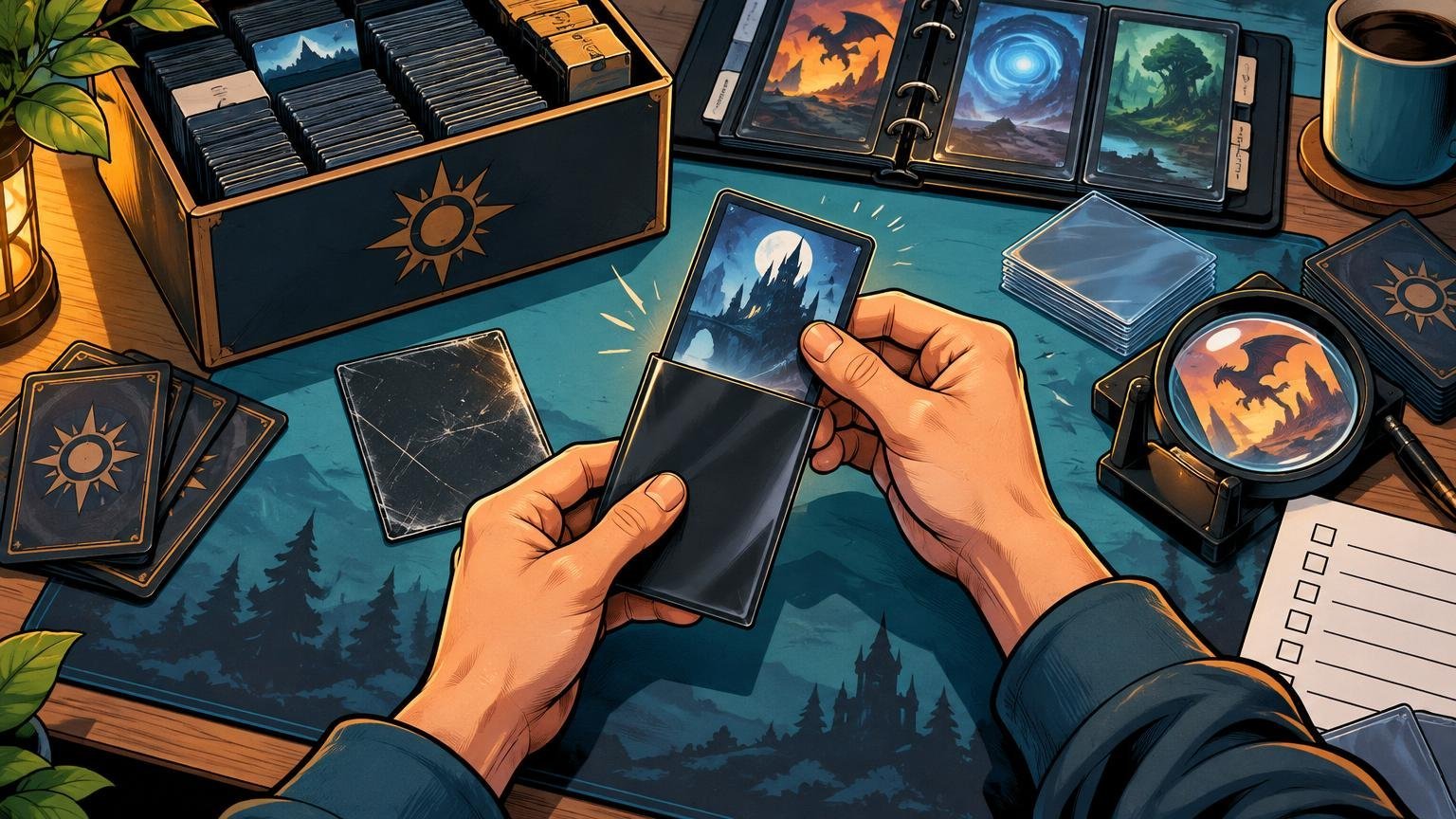
A practical maintenance workflow for replacing worn, damaged, or missing proxy Cube cards while preserving readability, hidden information, and consistent handling.

Compare home and professional MTG proxy printing by cost, assembly work, card consistency, and Cube size, with practical guidance for 60, 360, and 540 cards.

Legacy Cube typically combines cards from across Magic’s history without the Power Nine extremes of powered Vintage Cube. Here is how to judge its power level, gameplay, and fit for your group.
Aggro needs more than a pile of cheap creatures. Diagnose its curve, mana, interaction, reach, and support across the entire Cube, then make small changes and test again.
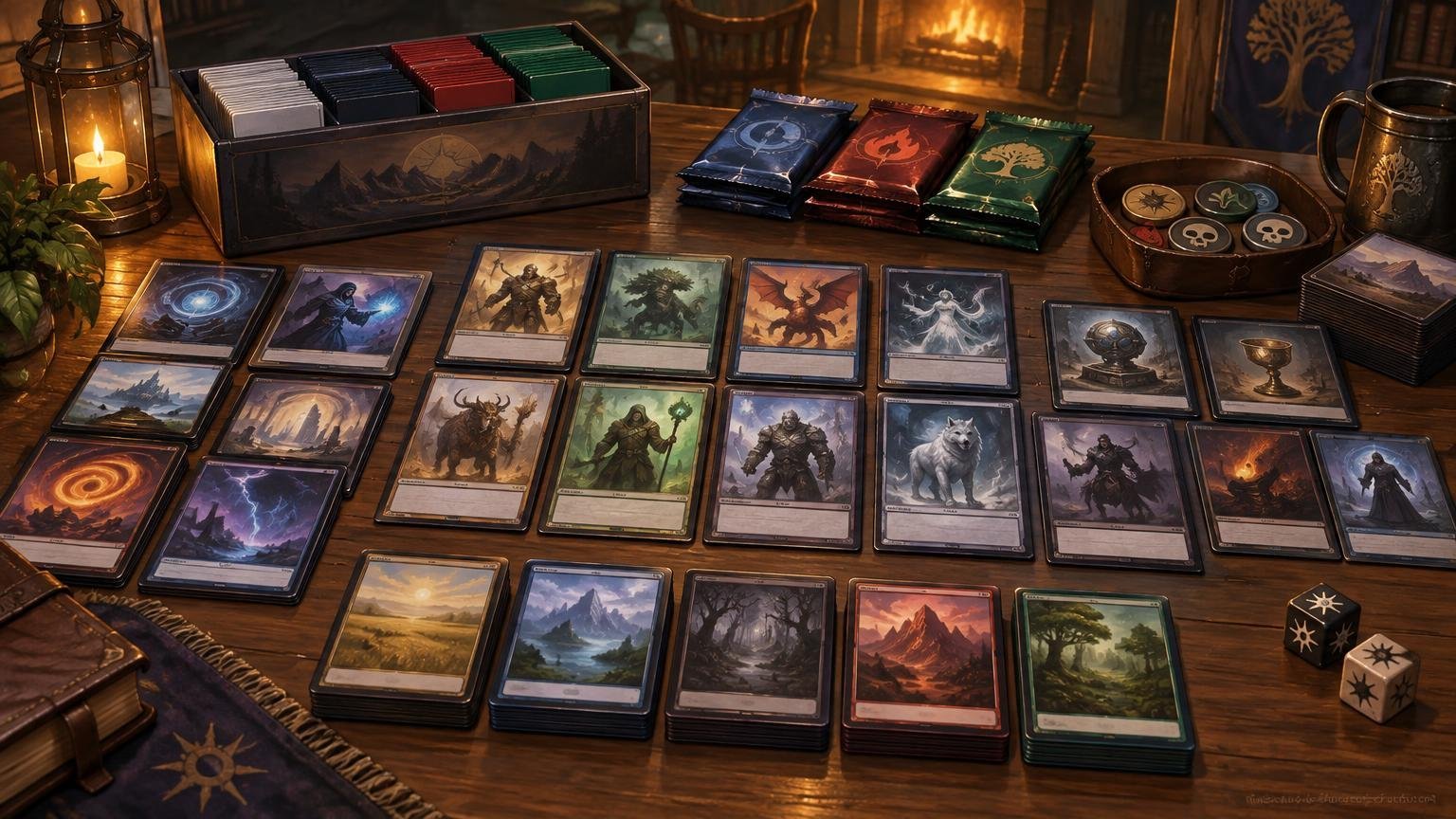
Start with creatures at roughly 45–55% of your Cube’s nonland cards, then tune that number around power level, archetypes, removal, and the games you want.
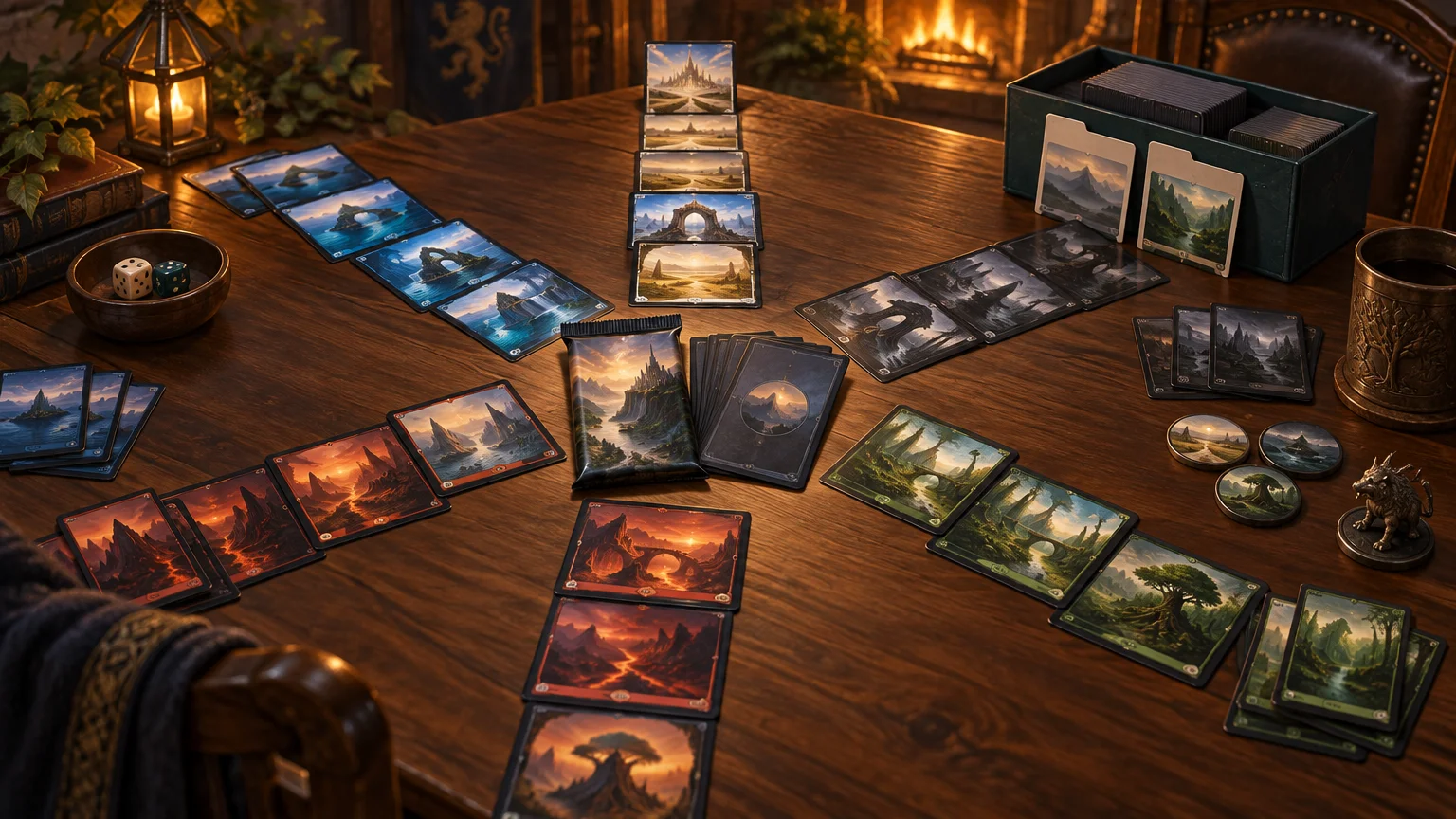
Start with draftable fixing lands equal to roughly 10–12% of a mostly two-color Cube: about 36–43 at 360 cards or 54–65 at 540. Then adjust for archetypes, fixing quality, and how readily you want players to splash additional colors.
Build an enchantments-matter Cube that drafts as a connected environment rather than an isolated theme, with practical advice on density, colors, payoffs, removal, and overlap.
Compare Vintage, Powered, Legacy, Modern, Pauper, Commander, and Set Cubes by power level, cost, draft style, and player-group fit.
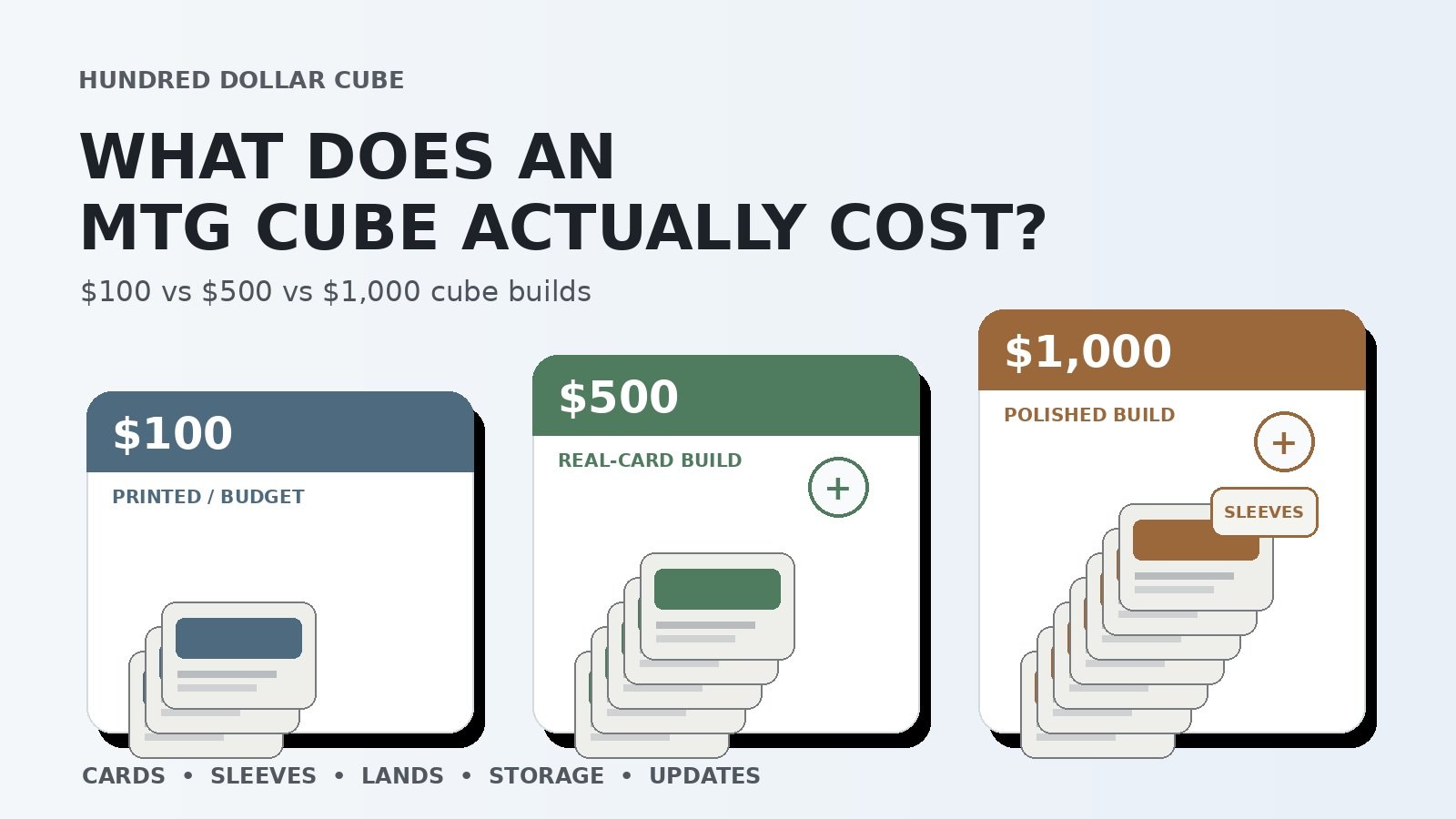
TLDR There is technically no upper limit to MTG cube cost. You can build one from cards sitting in a box in your closet and spend almost nothing. You can also build a fully powered Vintage Cube with authentic old cards and arrive at a number best discussed with your insurance company. Neither extreme is … Read more
TLDR Quick Verdict This PrintACube review is highly positive. The cards we inspected were excellent, the product made sense immediately, and the price was substantially lower than we expected for a professionally printed cube of this quality. PrintACube is not merely selling inexpensive cards in very large piles. The service has built a focused product … Read more
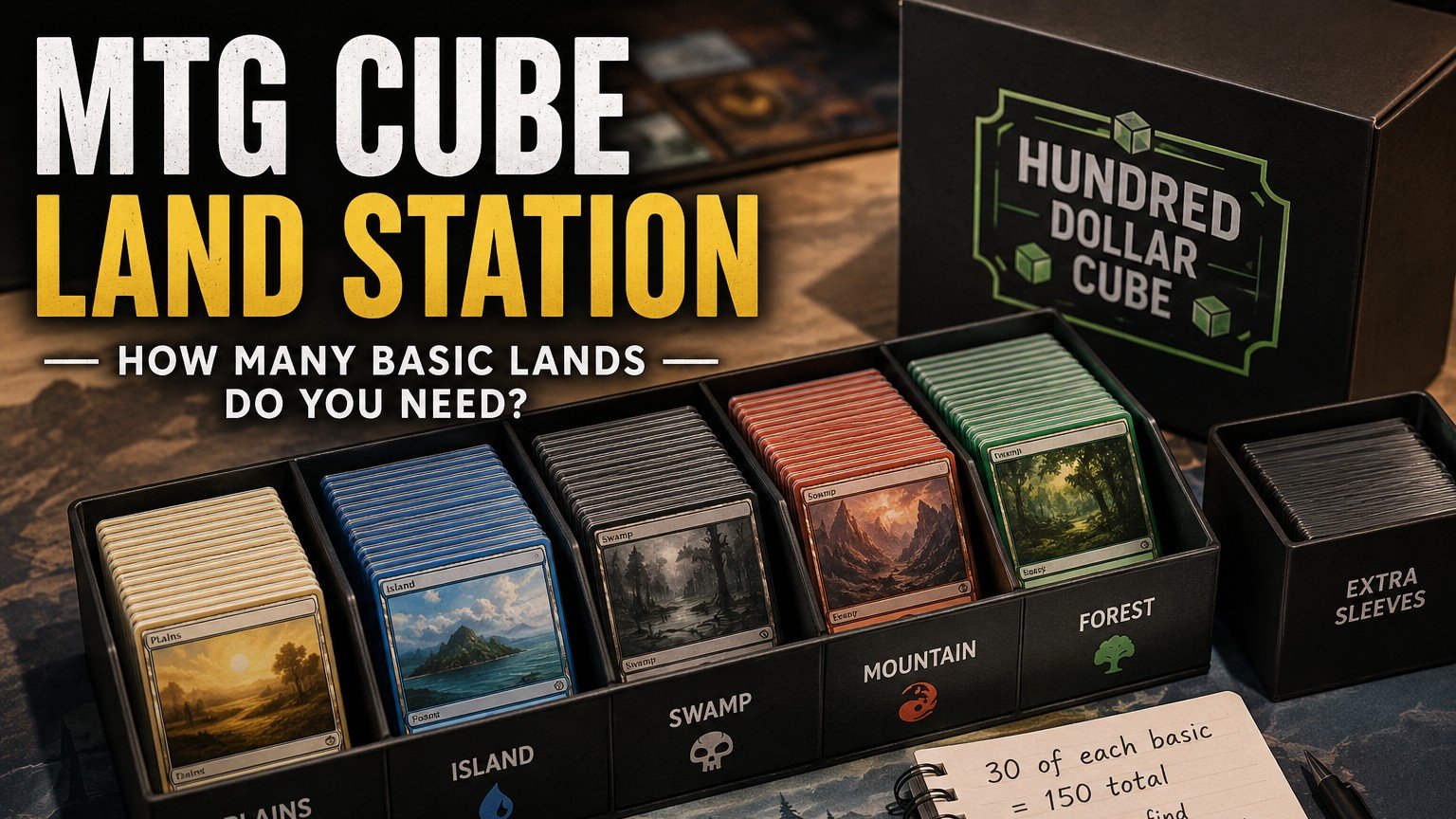
TLDR For most cube owners, the clean answer is 150 basic lands, or 30 of each color. That is the easiest, least annoying starting point for an MTG cube land station, especially if you usually draft with 6 to 8 players. If you want the “nobody ever complains about Islands again” setup, go with 200 … Read more